
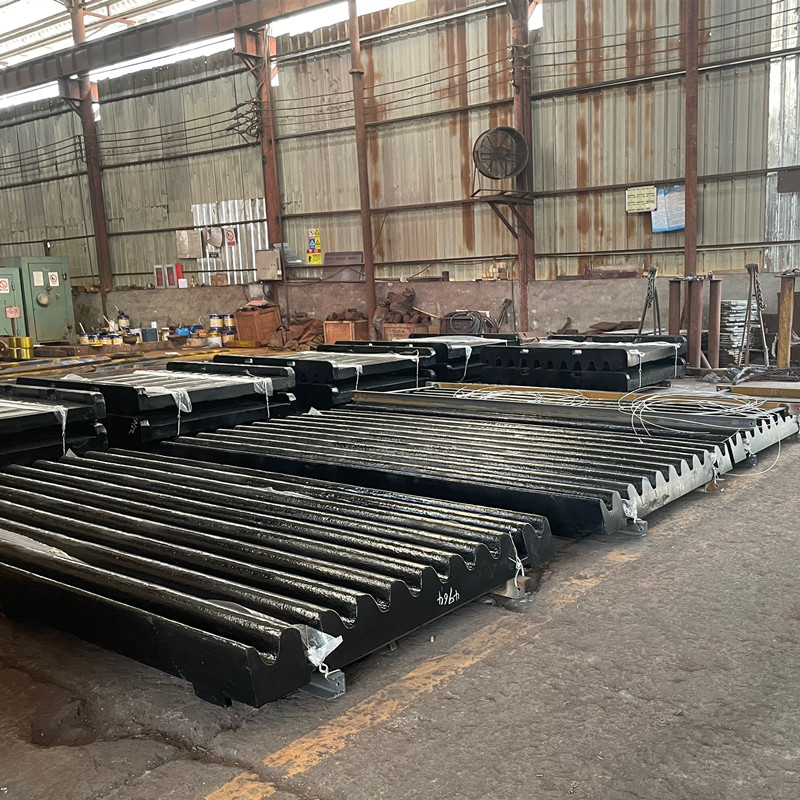
In the highly competitive field of mineral processing, the durability and performance of sag mill parts are critical factors that directly influence operational efficiency and cost-effectiveness. Recently, a leading company in the wear-resistant materials industry has made significant strides in providing advanced solutions that extend the life span of sag mill components, thereby reducing downtime and maintenance expenses for clients worldwide.
The company, a renowned supplier of high-quality materials and custom wear-resistant solutions, offers a comprehensive range of products including standard manganese steel, high-chromium iron, alloy steel, and carbon steel. These materials form the backbone of the durable parts used in sag mills, which are integral to the grinding and mixing of ore in mining operations.
**Tailored Wear-Resistant Materials for Enhanced Performance**
Beyond conventional materials, the company also specializes in tailored wearing solutions designed to meet the specific needs of diverse industrial applications. These advanced materials incorporate elements like titanium carbide (TiC), ceramic composites, and chromium-inserted alloys to significantly enhance resistance to abrasion, impact, and corrosion.
Such innovations are critical in the production of sag mill liners and grinding media, which are subjected to extreme mechanical stresses and harsh operational environments. By integrating these high-performance materials, the company enables sag mill parts to achieve longer service life, contributing to improved mill availability and reduced operational costs.
**Industry Applications and Benefits**
The sag milling process, a crucial stage in mineral processing, involves the grinding of ore in a rotating mill that uses large grinding media. The wear and tear on mill liners and other components are considerable due to the abrasive nature of the material and the sheer size of the equipment. Consequently, replacing worn parts frequently can lead to significant downtime and maintenance costs.
With the new generation of wear-resistant alloys and composite solutions, mining companies are able to:
- Extend the service intervals of mill liners and grinding media, minimizing downtime.
- Improve crushing efficiency and throughput by maintaining optimal grinding conditions.
- Reduce overall maintenance costs by decreasing the frequency of part replacement.
- Enhance safety by reducing the need for manual intervention during maintenance.
**Advancements in Material Science**
The company’s research and development efforts focus on pushing the boundaries of material science to address the challenges faced by the mining industry. Its tailored alloys are engineered to provide a balanced combination of hardness, toughness, and wear resistance.
For example, the inclusion of titanium carbide particles within the steel matrix creates a robust composite that exhibits superior abrasion resistance without compromising the structural integrity of the component. Similarly, ceramic inserts provide exceptional hardness and thermal stability, making them ideal for applications involving high impact loads and temperature fluctuations.
The chromium-inserted alloys offer enhanced corrosion resistance alongside improved mechanical properties, making them suitable for harsh chemical environments encountered in certain mineral processing operations.
**Commitment to Customer-Centric Solutions**
Understanding that each mining operation presents unique challenges, the company offers customized solutions crafted to meet specific operational parameters. By analyzing the processing conditions, ore characteristics, and equipment specifications, their engineers design wear parts that optimize performance and longevity.
This customer-centric approach ensures that clients receive parts that are not only durable but also tailored to enhance the efficiency and reliability of their milling operations. Comprehensive technical support and consulting services complement the material offerings, making the company a trusted partner in the mineral processing industry.
**Environmental and Economic Impact**
The adoption of longer-lasting sag mill parts also contributes to sustainability efforts within the mining sector. Extended part life reduces the volume of scrap generated and lowers the demand for raw materials necessary for replacements. Additionally, improved mill efficiency leads to lower energy consumption per ton of ore processed, aligning with global initiatives to reduce the carbon footprint of industrial activities.
Economically, the benefits of these innovations translate into increased profitability for mining companies. Reduced maintenance costs, minimized downtime, and improved resource utilization all contribute to healthier operational margins.
**Looking Ahead**
As the demand for minerals continues to grow worldwide, the importance of reliable and efficient mineral processing equipment cannot be overstated. By leveraging advanced materials and customized wear-resistant solutions, this pioneering company is poised to play a pivotal role in shaping the future of sag mill parts service.
Continuous investment in technology development and customer collaboration will ensure that the industry keeps pace with evolving challenges, providing mining operators with the tools necessary for sustainable and profitable operations.
**Conclusion**
The advancement in sag mill parts through innovative wear-resistant materials and tailored solutions marks a significant milestone in mineral processing technology. By offering a blend of standard high-quality steels and cutting-edge composite alloys, the company sets a new standard in durability and performance.
As mining operations strive to optimize efficiency and reduce environmental impact, embracing these material innovations will be essential. This progress not only empowers clients with longer-lasting equipment but also contributes to a more sustainable and economically viable mining sector globally.