
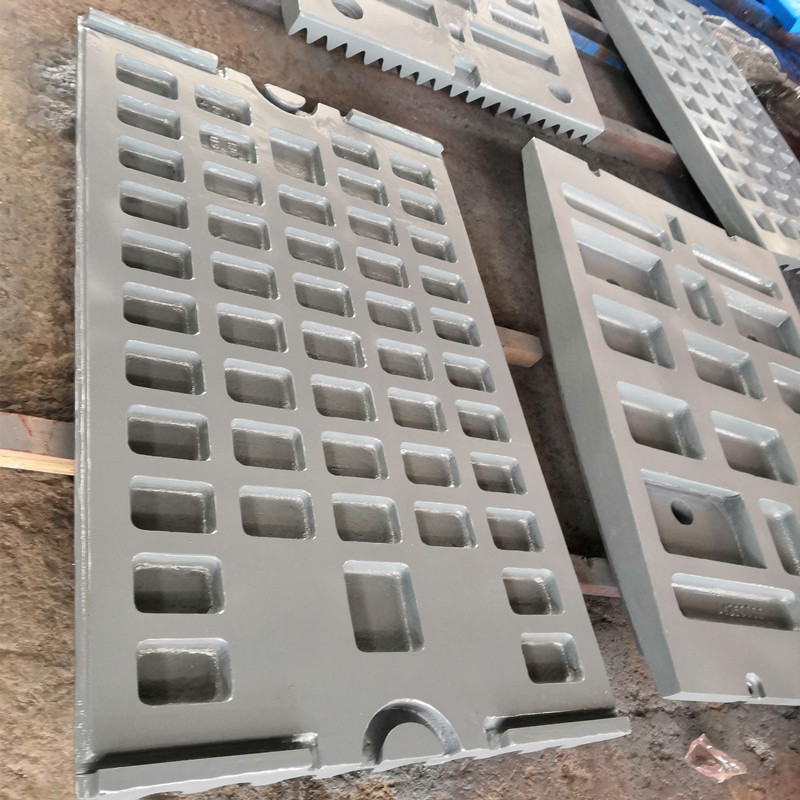
The automotive recycling industry has witnessed a significant transformation in recent years, propelled by advancements in technology and an increasing focus on sustainable practices. Central to this evolution is the critical role played by car shredders, essential equipment responsible for the efficient dismantling and recycling of end-of-life vehicles. Among the key contributors to this sector, leading OEM car shredder exporters have been at the forefront, continuously innovating and enhancing their product offerings to meet the growing demands of the global market.
A pivotal factor behind their success is the integration of superior wear-resistant materials into shredder components, which not only extend the lifespan of the machinery but also improve operational efficiency. One company that exemplifies this approach is WUJING MACHINE, renowned for providing both standard and customized high-performance materials tailored to the harsh working conditions inherent in car shredding.
### Enhancing Durability with Advanced Materials
WUJING MACHINE specializes in supplying a wide range of steel and alloy solutions designed to optimize durability and performance. Their portfolio includes standard manganese steel (Mn Steel), high-chromium iron (Hi-Cr Iron), alloy steel, and carbon steel, all of which are known for their strength and resistance to wear. However, what truly sets the company apart is its tailored solution offerings that incorporate cutting-edge materials such as Titanium Carbide (TiC), ceramic composites, and chromium-inserted alloys.
These specialized materials are engineered to withstand intense abrasion, high impact forces, and corrosive environments—conditions frequently encountered in the operation of car shredders. The integration of TiC and ceramic inserts enhances the hardness and wear resistance of components, ensuring prolonged service life and reduced downtime for maintenance. Additionally, chromium-inserted alloys improve resistance to corrosion and wear, further contributing to the longevity of critical parts.
### Meeting the Demands of a Growing Market
With the increasing emphasis on environmental sustainability, the automotive recycling industry is experiencing unprecedented growth. Governments worldwide are implementing stricter regulations on vehicle disposal and encouraging recycling to reduce landfill waste and recover valuable materials such as metals. This trend has led to higher demand for reliable and efficient car shredders capable of processing a diverse range of vehicle types and sizes.
OEM car shredder exporters have responded by expanding their product lines and incorporating advanced materials that boost performance and durability. By partnering with material specialists like WUJING MACHINE, these exporters are able to offer shredders equipped with forging components and wear parts that deliver superior resistance to degradation, ensuring optimum performance even under continuous heavy-duty use.
### Benefits for Customers and the Environment
The use of enhanced wear-resistant materials presents multiple benefits for both equipment operators and the environment. For operators, the extended lifespan of shredder components translates to reduced operational costs, fewer interruptions, and improved throughput. This reliability helps businesses maintain consistent output and profitability while minimizing the total cost of ownership over the machine’s lifetime.
From an environmental perspective, efficient shredding facilitates better segregation and recovery of recyclable materials such as steel, aluminum, and plastics. The improved durability of shredder parts means less frequent replacements and consequently lower consumption of raw materials for manufacturing spare parts. This sustainability aspect aligns with the broader global push towards a circular economy, where resource efficiency and waste reduction are paramount.
### Innovation as a Strategic Advantage
The ongoing innovation in material science and engineering is a critical strategic advantage for OEM car shredder exporters. By integrating advanced materials into their product designs, they not only meet the stringent requirements of modern recycling processes but also differentiate themselves in a competitive market. The capability to tailor wearing solutions to specific customer needs—ranging from highly abrasive scrap to mixed waste streams—underscores their commitment to delivering value and performance.
WUJING MACHINE’s expertise in providing customized alloys and wear-resistant composites plays an instrumental role in this context. Their collaborative approach enables manufacturers to select and optimize materials based on operational parameters, including abrasion intensity, impact frequency, and environmental conditions. As a result, shredder components can achieve significantly extended service intervals and enhanced safety margins.
### Looking Ahead: The Future of Car Shredders
The future of the automotive recycling equipment industry looks promising, driven by continuous technological advances and the imperative for more sustainable waste management solutions. OEM car shredder exporters, leveraging partnerships with material innovators, are expected to introduce even more robust and efficient shredding systems.
Emerging trends such as smart sensors, automated maintenance alerts, and digital monitoring are likely to complement the toughness provided by advanced materials, offering customers a holistic solution that maximizes uptime and operational insight. Furthermore, ongoing research into novel composites and nano-engineered coatings holds the potential to further revolutionize wear resistance and component longevity.
### Conclusion
In summary, the collaboration between leading OEM car shredder exporters and specialized material suppliers like WUJING MACHINE is driving substantial improvements in shredding equipment durability and performance. By utilizing both traditional high-strength steels and innovative wear-resistant materials such as TiC, ceramics, and chromium-inserted alloys, the industry is enhancing the reliability and efficiency of car shredders to meet the complex challenges of modern automotive recycling.
This synergy not only benefits manufacturers and operators by reducing maintenance costs and downtime but also supports global environmental goals by promoting more effective recycling practices. As technological and material innovations continue to evolve, the automotive recycling sector is well-positioned to become more sustainable, productive, and economically viable in the years ahead.