
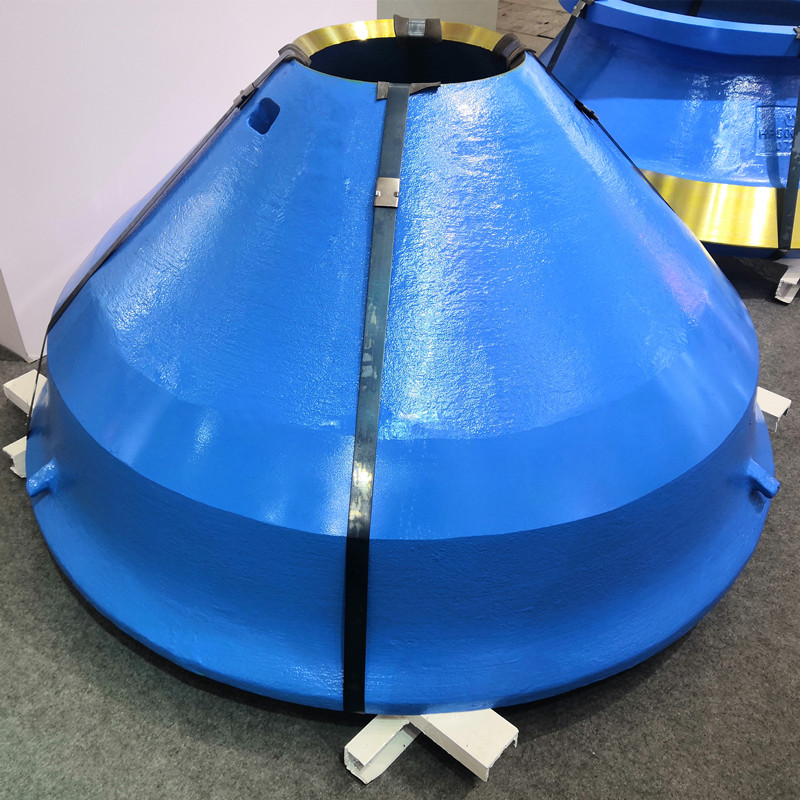
In the mining and mineral processing industry, the efficiency and durability of equipment directly influence productivity and operational costs. One of the critical components in grinding circuits is the Semi-Autogenous Grinding (SAG) mill, which plays a vital role in reducing ore size for further processing. Understanding the pricing landscape of SAG mill parts, alongside innovations in wear-resistant materials, helps companies make informed purchasing decisions and optimize their grinding operations.
### Current Market Overview of SAG Mill Parts Pricing
The cost of SAG mill parts varies significantly depending on the material composition, design specifications, manufacturing quality, and supplier expertise. Common replacement parts for SAG mills include liners, grinding media, discharge grates, and trommels. These components must withstand extreme abrasive environments and mechanical impacts, making material selection crucial for their longevity and performance.
In today’s market, prices for standard SAG mill liners usually range between mid to high brackets. Factors influencing prices include:
- **Material Type:** Liners made from higher-grade materials generally command higher prices.
- **Mill Size:** Larger mills require bigger, heavier liners and parts.
- **Customization:** Tailor-made parts designed for specific mills or operational conditions are more expensive.
- **Supplier Expertise and Warranty:** Established manufacturers with proven track records might price their parts higher but offer superior quality and service guarantees.
The industry has also noted a trend toward more durable and innovative materials, which can have a higher upfront cost but reduce downtime and overall maintenance expenses.
### Material Solutions Enhancing SAG Mill Parts Performance
Selecting the right material for SAG mill parts is essential to extend service life and reduce operational costs. Traditional materials such as manganese steel (Mn Steel) and high-chrome iron have been widely used due to their excellent wear resistance and ability to absorb impact.
**Manganese Steel (Mn Steel):**
Mn Steel is renowned for its toughness and work-hardening properties, making it suitable for the harsh grinding environment inside SAG mills. Its ability to become harder under impact prevents premature wear, which is vital in reducing replacement frequency.
**High-Chrome Iron (Hi-Cr Iron):**
Hi-Cr Iron offers superior wear resistance compared to low-chrome alloys. It is especially effective in abrasive conditions but tends to be more brittle than Mn Steel, so its use depends on the specific mill application.
**Alloy Steel and Carbon Steel:**
These materials provide additional strength and wear resistance. Alloy steel is often selected for parts requiring enhanced mechanical properties, while carbon steel can be used where cost constraints are a significant consideration.
### Advanced Tailored Wearing Solutions
Recognizing the limitations of conventional materials, many manufacturers and suppliers now offer advanced tailored solutions engineered to deliver a longer lifespan under extreme conditions. These solutions include:
- **Titanium Carbide (TiC) Inserts:**
TiC is an extremely hard ceramic compound that significantly improves the wear resistance of liners and parts. Parts reinforced with TiC inserts can operate longer without significant wear, reducing the frequency of shutdowns for maintenance.
- **Ceramic Materials:**
Ceramics offer excellent resistance to abrasion and corrosion. When used in critical wear zones within SAG mills, ceramic components can extend part life dramatically. Owing to their lightweight nature, ceramics also reduce the weight burden on liners, improving mill efficiency.
- **Chromium Inserted Alloys:**
Alloys with chromium inserts combine the toughness of metal with the hardness of chromium compounds, creating a composite effect that enhances durability and wear characteristics. These inserts are strategically placed in high-wear areas to combat the most severe abrasion.
### The Role of Customization and Expertise
The key to optimizing SAG mill performance lies in combining high-quality materials with expert design and manufacturing. Parts customized to match specific mill dimensions, operational demands, and ore types can deliver superior performance compared to generic solutions.
Suppliers with extensive experience provide value-added services including wear analysis, on-site inspections, and material recommendations. This collaborative approach ensures the parts not only fit perfectly but also align with the mill’s operational strategy to maximize uptime and throughput.
### Economic Benefits of Investing in Quality Parts
While premium materials and custom-designed parts might present a higher initial investment, the overall cost-benefit analysis often favors such choices due to:
- **Lower Maintenance Costs:** Less frequent replacements and reduced downtime.
- **Increased Productivity:** Consistent grinding performance leads to steadier throughput.
- **Longer Service Life:** Parts designed for wear resistance minimize unexpected failures.
- **Improved Operational Safety:** Reliable parts decrease the likelihood of accidents stemming from equipment failure.
### Conclusion
Understanding the pricing trends and material options for SAG mill parts is essential for mining operations aiming to enhance efficiency and reduce operating costs. Traditional materials such as manganese steel and high-chrome iron remain relevant; however, the incorporation of advanced tailored solutions like TiC, ceramic, and chromium-inserted alloys is revolutionizing equipment durability.
Companies investing in these innovations, combined with customization and professional support, can expect significant improvements in mill availability and productivity. Adopting a strategic sourcing approach, focusing on quality and material science, ensures that SAG mills continue to perform reliably, supporting the broader goals of sustainable and profitable mining operations.