
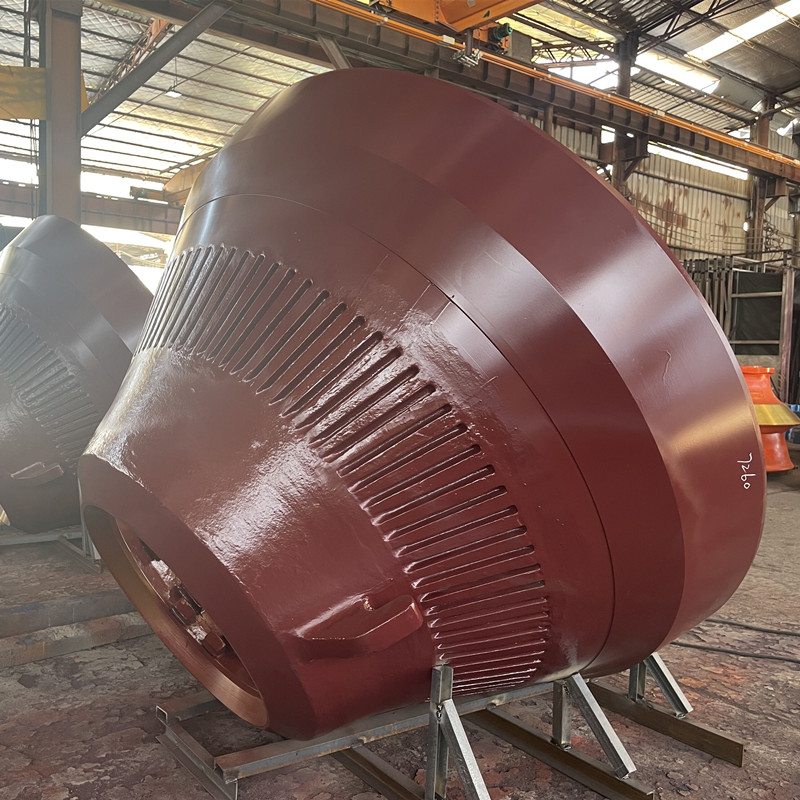
In the evolving landscape of crushing machinery, the demand for durable and efficient wear parts has never been greater. One of the critical components in crushers, the swing jaw plate, plays a vital role in determining overall performance and longevity. With advancements in material technology and tailored wearing solutions, manufacturers are now able to significantly enhance the lifespan and efficiency of these components, meeting the rigorous demands of modern industries such as mining, construction, and recycling.
**Enhanced Material Options for Superior Performance**
Traditionally, swing jaw plates have been made from manganese (Mn) steel, known for its excellent toughness and work-hardening properties. While standard Mn steel remains a reliable choice for many applications, ongoing research and development have led to the creation of higher-performance alternatives. Among these, high-chromium (Hi-Cr) iron and various alloy steels have gained prominence due to their improved wear resistance and strength.
Hi-Cr iron, for example, combines hardness with abrasion resistance, making it suitable for crushing abrasive materials. Alloy steels, customized with a mix of elements like nickel, molybdenum, and chromium, offer enhanced toughness and resistance to impact and corrosion. These material variants not only extend the service life of swing jaw plates but also reduce downtime and maintenance costs — crucial factors for operational efficiency.
**Tailored Solutions for Longevity**
Beyond selecting the right base materials, the modern approach to swing jaw plate manufacturing increasingly focuses on tailored wearing solutions. Companies specializing in crusher wear parts have incorporated advanced inserts such as titanium carbide (TiC), ceramics, and chrome (Cr) to further enhance durability.
Titanium carbide inserts are particularly noted for their exceptional hardness and resistance to wear under high-impact conditions. When strategically embedded into jaw plates, these inserts significantly reduce abrasion and prolong component life, especially in applications involving hard and abrasive materials.
Ceramic inserts represent another cutting-edge solution. Known for their outstanding hardness and thermal stability, ceramic components can withstand extreme operating environments where conventional metal plates might fail. The integration of ceramic inserts into swing jaw plates helps maintain consistent crushing performance even under the most challenging circumstances.
Moreover, chrome-inserted alloys offer an optimal balance between toughness and wear resistance. Chrome not only contributes to hardening the surface but also improves corrosion resistance, making these alloys suitable for various crushing operations involving moisture or chemically aggressive materials.
**Expertise and Manufacturing Excellence**
Companies at the forefront of this field combine extensive material science knowledge with advanced manufacturing techniques to deliver superior swing jaw plates. By providing a wide range of standard and customized options — from Mn steel and Hi-Cr iron to complex alloys with embedded inserts — these manufacturers cater to diverse customer needs.
Their expertise ensures that each swing jaw plate is engineered to match specific operational parameters, such as impact force, material hardness, and environmental factors. This customization is key to optimizing crusher performance, minimizing wear-related failures, and enhancing overall productivity.
**Applications and Industry Impact**
Swing jaw plates with improved wear characteristics have wide-ranging applications in industries including mining, quarrying, cement production, and recycling. By investing in high-quality materials and tailored designs, companies benefit from reduced replacement frequency and enhanced machine uptime.
In mining operations, for instance, tougher jaw plates withstand the relentless impact and abrasion from rocks and ores, reducing operating costs and improving throughput. Similarly, construction and demolition recycling facilities rely on durable crusher components to process diverse material streams efficiently and reliably.
**Sustainability and Future Prospects**
The shift towards longer-lasting swing jaw plates also supports sustainability goals by minimizing material waste and energy consumption associated with frequent component changes. As manufacturers continue to innovate with materials like TiC, ceramics, and advanced alloys, the potential for even greater efficiency and reduced environmental impact grows.
Ongoing research aims to develop composite materials and novel coatings that can further push the boundaries of wear resistance. With continuous improvements in metallurgy and engineering design, the future of crusher wear parts promises enhanced performance that aligns economic benefits with sustainable practices.
**Conclusion**
The development of advanced swing jaw plates marks a significant step forward in the crushing industry. By offering a broad spectrum of material options—including standard manganese steel, high-chromium iron, specialized alloys, and innovative inserts such as titanium carbide, ceramic, and chrome—manufacturers are delivering durable, high-performance solutions tailored to specific customer requirements.
This holistic approach not only extends the service life of critical crusher components but also optimizes operational efficiency and reduces total cost of ownership. As industries worldwide face increasing pressure to improve productivity and sustainability, the ongoing advancements in swing jaw plate technology will remain vital to meeting these challenges head-on.