
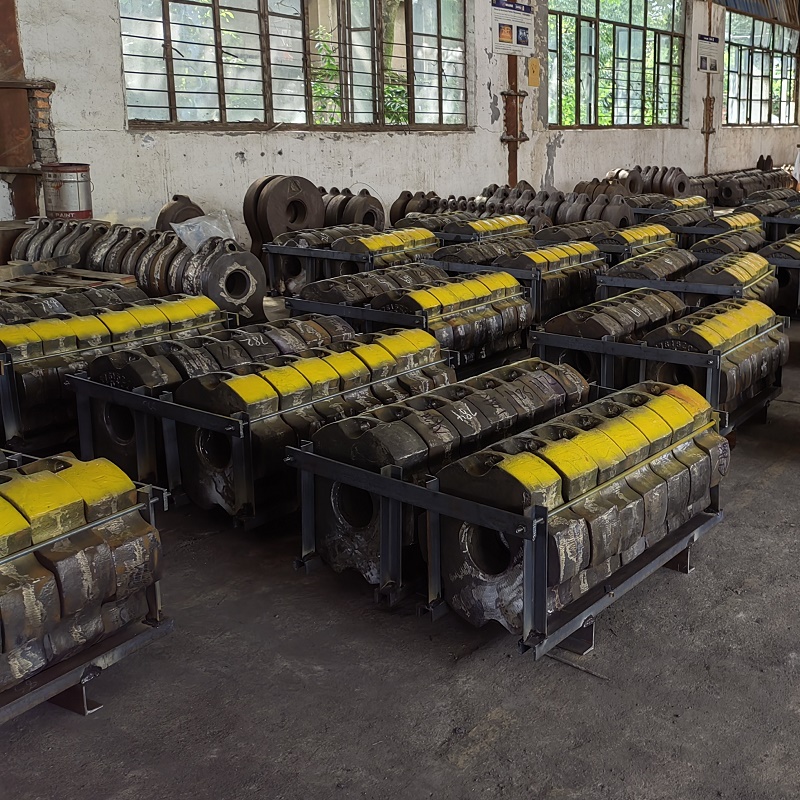
In the ever-evolving landscape of industrial manufacturing and heavy machinery, the demand for durable and high-performance wear-resistant materials is stronger than ever. As industries push the boundaries of productivity and cost efficiency, the need for components that can withstand extreme operational conditions without frequent replacements is paramount. Recent developments highlight how tailored material solutions are setting new standards in longevity and reliability, significantly reducing downtime and maintenance costs.
One company at the forefront of this innovation specializes in providing a broad range of wear-resistant materials engineered to meet diverse industrial needs. Their portfolio includes standard manganese steel, high-chromium iron, alloy steel, and carbon steel options, ensuring versatility across various applications. What sets them apart, however, is their commitment to delivering bespoke wear solutions designed for extended lifespans and enhanced performance under the most demanding conditions.
Among the advanced materials offered are titanium carbide (TiC) composites, ceramic-infused alloys, and chromium-inserted steels. These specialized alloys are developed through cutting-edge metallurgical techniques that combine hardness, toughness, and resistance to abrasion and impact. By incorporating these materials into critical components, industries such as mining, construction, cement production, and steel manufacturing can significantly improve operational efficiency and reduce the frequency of costly part replacements.
**The Critical Role of Wear-Resistant Materials**
Wear resistance is a crucial attribute for parts subjected to friction, impact, or corrosive environments. Components like crusher liners, excavator parts, rotary kiln lifters, and conveyor chains often face severe wear and tear. The efficiency of such machinery hinges on the durability of these wear components—any failure can lead to costly downtime and disrupt production schedules.
In response to these challenges, tailored material solutions that optimize mechanical properties have become a focus area. Manganese steel, known for its high impact strength and abrasion resistance, remains a staple in many applications. High-chromium iron alloys offer excellent hardness and wear resistance ideal for crushing and milling equipment. Alloy steels provide a balanced combination of strength and ductility, suitable for components requiring toughness.
Beyond these conventional materials, the integration of titanium carbide, ceramics, and chromium has marked a significant leap forward. TiC’s extreme hardness makes it highly effective against abrasive wear, while ceramic composites contribute to hardness and temperature resistance. Chromium inserts enhance surface hardness and corrosion resistance. The synergistic effect of these elements produces materials that extend the working life of components far beyond standard options.
**Tailoring Solutions for Diverse Industry Needs**
Understanding that no single solution fits all scenarios, the company offers customized wear parts engineered to specific operational demands. They collaborate closely with clients to analyze wear patterns, operational conditions, and performance goals before recommending or developing appropriate materials and designs.
For example, in the mining sector where crusher jaws and liners are exposed to heavy impact and abrasion, the company may suggest manganese steel components with ceramic or TiC inserts to achieve superior longevity without compromising toughness. Similarly, in cement plants where rotary kiln lifters operate under high temperatures, alloy steels with chromium enhancements can withstand thermal fatigue and corrosion.
This consultative approach ensures that each part not only meets but exceeds expectations, delivering value through reduced maintenance, improved uptime, and overall lower cost of ownership.
**Sustainability and Cost Efficiency**
The shift toward longer-lasting wear-resistant components also aligns with broader sustainability initiatives. Equipment that lasts longer reduces waste generation and the frequency of replacements, which in turn lowers environmental impact and resource consumption. Industries benefit not only from direct cost savings but also from improved environmental compliance and corporate responsibility.
By leveraging advanced materials and customized engineering, companies can upgrade their machinery with components that maximize operational efficiency while minimizing ecological footprints.
**Looking Ahead**
As machinery and processing techniques continue to advance, the role of wear-resistant materials will only grow in importance. Innovations such as additive manufacturing and novel alloy formulations open new possibilities for component design and performance.
Companies specializing in comprehensive wear solutions stand ready to lead this transformation, blending traditional metallurgical expertise with progressive material science to meet industrial needs of today and tomorrow.
In summary, the combination of standard high-performance alloys and bespoke wear solutions featuring TiC, ceramic, and chromium insertions marks a significant development in industrial wear resistance. These advances not only enhance the durability and efficiency of critical machinery components but also contribute to more sustainable and cost-effective industrial operations worldwide.