
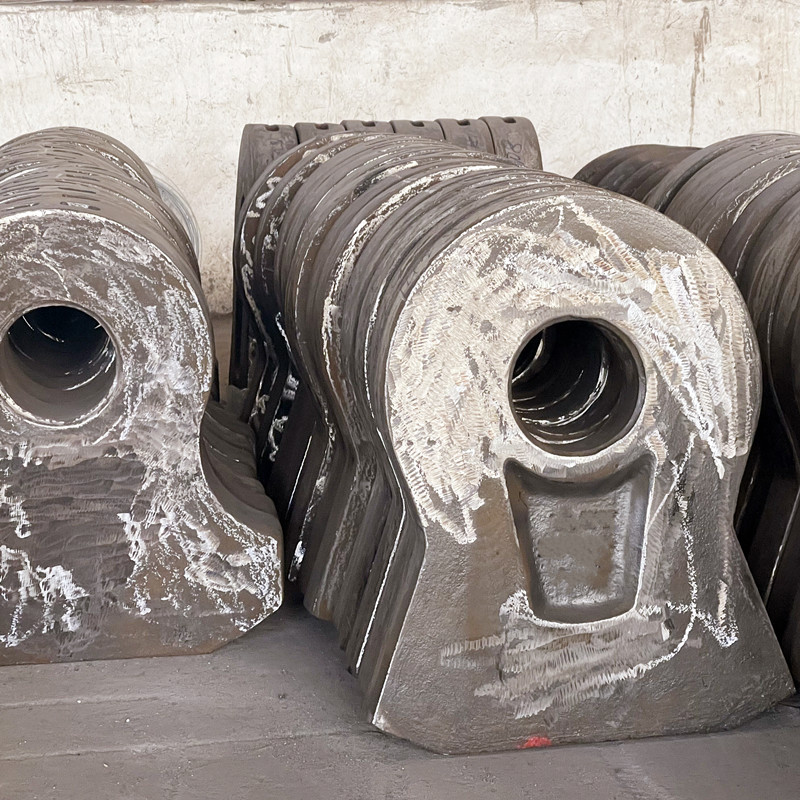
Stone crusher machines are fundamental in the construction, mining, and aggregate industries, serving as essential equipment for crushing various materials into smaller, manageable sizes. As demand for more efficient and cost-effective crushing solutions grows, companies are increasingly focusing on the cost, durability, and performance of stone crusher machines. Recent developments in material technology and manufacturing processes have resulted in significant advances, offering longer service life and lower maintenance costs for stone crushers.
One notable player in this space is a leading manufacturer that emphasizes using advanced wear-resistant materials for their crusher components. This approach not only improves the operational lifespan of stone crusher machines but also reduces the overall cost of ownership, addressing a critical challenge faced by users worldwide.
### Understanding Stone Crusher Machine Cost Factors
The cost of stone crusher machines varies widely depending on factors such as machine type, capacity, technology integration, and, importantly, the materials used in its construction. Standard stone crushers utilize common materials that offer reasonable durability but tend to wear out quickly due to the abrasive nature of crushing rocks and minerals. Frequent wear and tear lead to increased downtime, repair expenses, and higher lifecycle costs.
To mitigate these issues, manufacturers have turned their attention to advanced alloy materials and customized wear solutions, which provide enhanced resistance to abrasion, impact, and corrosion. By incorporating these materials into critical components such as liners, jaws, and blow bars/'>bars, stone crusher machines can achieve significantly longer operational periods between maintenance intervals.
### Advancements in Wear-Resistant Materials
One company at the forefront of this innovation is a reputable supplier known for providing a range of wear-resistant materials tailored to the demanding conditions of stone crushers. They offer a suite of materials including standard manganese steel (Mn Steel), high-chromium iron (Hi-Cr Iron), alloy steel, and carbon steel. Each of these materials has specific properties that make them suitable for different crushing scenarios.
- **Manganese Steel (Mn Steel):** Known for its excellent toughness and resistance to abrasion, Mn Steel is commonly used in components subjected to high impact and wear. It is particularly effective in jaw plates and impact crusher parts.
- **High-Chromium Iron (Hi-Cr Iron):** This material is prized for its hardness and wear resistance, making it ideal for parts exposed to severe abrasion, such as cone crusher liners and hammer heads.
- **Alloy Steel and Carbon Steel:** These steels provide a good balance of strength, toughness, and wear resistance, suitable for various structural parts and less abrasive crushing applications.
However, the company's innovation goes beyond these standard materials. Recognizing that conventional wear parts still face significant limitations in lifespan, they have developed tailored wearing solutions incorporating advanced compounds such as titanium carbide (TiC), ceramics, and chromium (Cr) inserted alloys.
### Tailored Wearing Solutions for Longer Life Span
Customized wear solutions using TiC, ceramics, and Cr inserted alloys represent a leap forward in the fight against wear and tear in stone crusher components.
- **Titanium Carbide (TiC):** TiC is an extremely hard ceramic material that offers exceptional wear resistance and thermal stability. When integrated into crusher parts, it drastically reduces abrasion damage, extending the lifespan of liners and blow bars.
- **Ceramics:** Ceramic materials, with their high hardness and corrosion resistance, are used in high-wear areas to improve durability. Though more brittle than metals, ceramics are effective in applications where impact forces are controlled.
- **Chromium (Cr) Inserted Alloys:** By inserting chromium particles into alloy matrices, the resulting composite material gains enhanced hardness and resistance to abrasive wear. This hybrid approach balances toughness and durability, accommodating the dynamic loads experienced during crushing.
By combining these advanced materials with industry-standard steels, the manufacturer creates composite wear parts tailored to specific customer needs, environmental conditions, and types of aggregate processed. This bespoke approach not only reduces the frequency of parts replacement but also improves crusher uptime and productivity.
### The Impact on Stone Crusher Machine Cost
While advanced wear-resistant materials and customized solutions may initially raise the purchase price of stone crusher machines, the overall cost-benefit is highly positive. End-users experience:
- **Reduced Maintenance Costs:** Longer-lasting wear parts mean fewer replacements, lowering direct maintenance expenditures.
- **Decreased Downtime:** Improved durability leads to less frequent shutdowns for repairs, enhancing operational efficiency.
- **Enhanced Productivity:** With crushers running optimally for longer periods, throughput increases and project timelines are shortened.
- **Lower Total Cost of Ownership (TCO):** When factoring in all operational expenses, machines equipped with superior wear materials deliver better value over their service life.
As a result, companies operating in mining, quarrying, and construction sectors are recognizing the importance of investing in quality wear-resistant components, ultimately driving demand for machines built with such considerations in mind.
### Conclusion
The evolution of stone crusher machine cost management is closely linked to advancements in material science and manufacturing innovation. By leveraging a range of high-quality steels and tailored wear solutions incorporating TiC, ceramics, and Cr inserted alloys, manufacturers are redefining durability and efficiency standards in crushing equipment.
This holistic approach to material selection and component design addresses one of the key challenges in the industry—wear and abrasion—enabling users to optimize operational costs, improve productivity, and extend the useful life of their stone crusher machines. As these materials technology trends continue to develop, the construction and mining industries can expect more robust, cost-effective crushing solutions tailored to their specific needs.
The focus on combining standard materials like manganese steel with innovative compounds underscores a commitment to crafting stone crusher machines that perform reliably under the harshest conditions, ensuring long-term value and satisfaction for end users worldwide.